
The elephant in the backyard.
Amid our polarized society, there are few things we can find common ground on. We all rooted for Punch, the baby macaque monkey rejected by his mom at a Japanese zoo, who resorted to snuggling up with a stuffed Ikea orangutan instead. We launched #HangInTherePunch hashtags, we made donations, and we all breathed a collective sigh of relief when Punch was taken in by another adult female monkey. We loved harnessing the power of the internet to locate the owner of an old GoPro camera discovered on the ocean floor. And we’ll rally together to crowdfund a stranger’s medical bills.
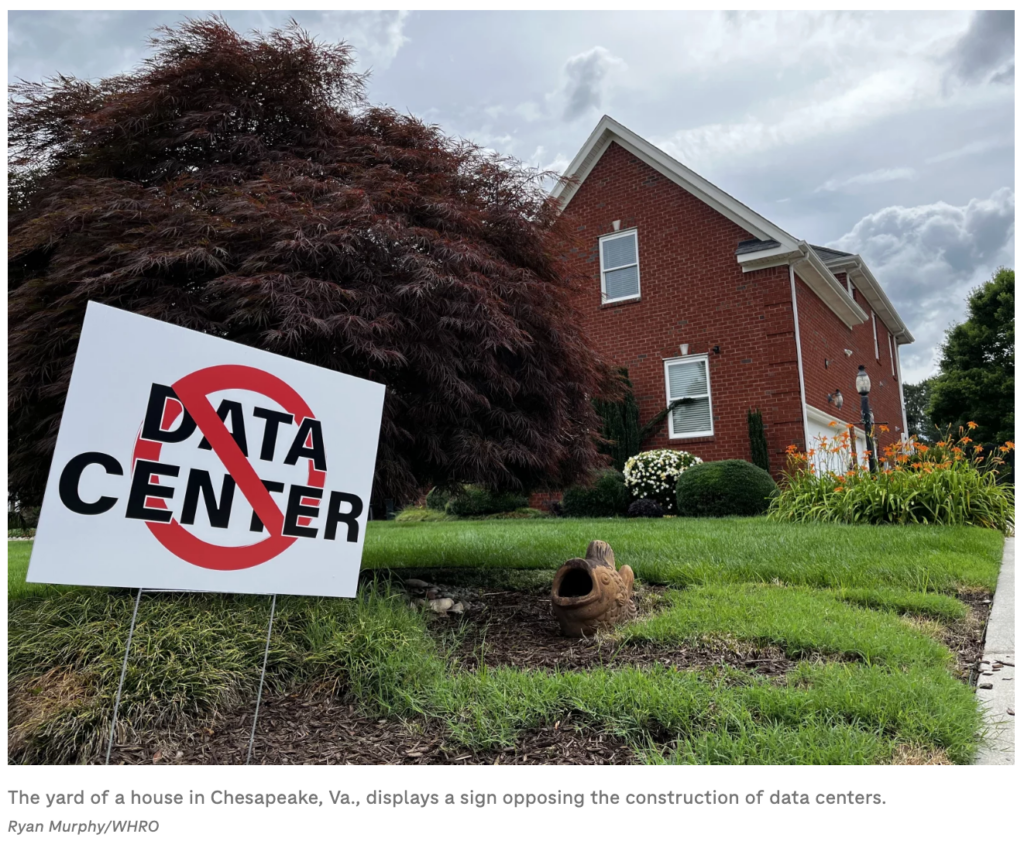
Yet when it comes to matters of the environment, we politicize, we dismiss reality, we retreat to our corners. But as behemoth AI data centers are popping up in people’s backyards, something interesting is happening. Communities are rallying together. Could it possibly be that we’ve found some common ground around the most consequential, transformational innovation of our time?
This “not in my backyard” movement is offering up some reminders for all of us in communications: that emotional human stories spark action, that proactive communication beats reactive damage control, and that transparency builds trust.
Promises, promises.
With the AI revolution in full swing, I’ve been taking a closer look at its impact on not only our marketing and communications industry (which is a whole ‘nother article), but the industries and sectors where our clients work. For some, the positive and negative impacts aren’t just personal or professional, they’re societal. In healthcare, institutions are embedding AI tools in their systems to streamline administrative tasks, enhance access to care, leverage data analytics, and enable decision making all in the spirit of improving healthcare globally. All of it together offers up some big promises like better patient outcomes, lower costs, improved accuracy of diagnoses, and even prevention of cancer.
We see the same in the climate sector, with AI being used effectively to fight climate change with innovations like highly targeted weather forecasting, super-fast emissions analysis paired with reduction strategies, climate disaster prediction tools, and a lot more. These solutions offer great promise.
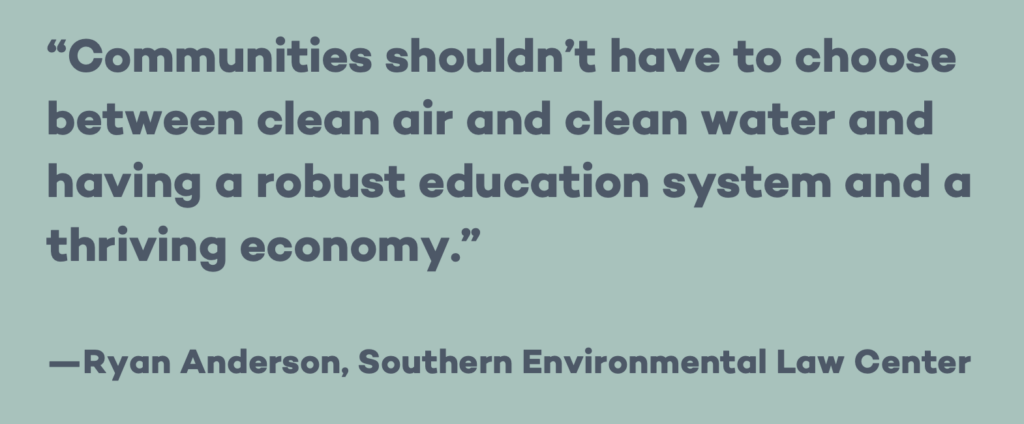
Data centers power all this potential. Ironically, this very same infrastructure that’s delivering medical miracles and climate progress is making people and the planet sick. According to reporting from The Guardian, the unpermitted gas generators that power xAIs “Colossus 2” datacenter in northern Mississippi emit chemical-laden pollutants that are tied to an increase in diseases ranging from asthma to certain cancers. These same mega structures are built into existence by clear cutting hundreds of acres of land, and when they’re up and running can hog up to 5 million gallons of clean water a day—enough to supply a city of 50,000 residents.
From big innovations to simple life hacks, most of us want what AI is making possible. But the tradeoffs are triggering communities to come together and demand more information, specific answers, and better solutions.
The communications imperative.
The everyday citizens showing up at public hearings shouldn’t be the only ones speaking out. All of us, from companies to community leaders, have a role to play. And we need to make our voices heard with effective communication.
Be proactive. Institutions can and should use their platforms to help audiences understand the issues before a data center comes to town. This is where trust lives. For those in healthcare, for example, it’s an opportunity to say to patients, and really anyone who breathes air: your health is our priority. Use messaging frameworks to connect the environmental impacts of data centers to the health implications, so doctors, nurses, and others across the organization can preemptively communicate to multiple audiences.
Make it personal. Local farmers, business owners, and carpool moms are stepping up to the mic at city council meetings to share their concerns about data centers. And they’re getting noticed. That’s because these deeply personal stories are not being told by a “representative” or “talking head,” but rather the everyday people who are directly affected. It’s not just the message, but the messengers that matter.
Broaden the lens. The personal story isn’t enough. We need narratives that expand beyond our own experiences and connect to the world we’re all living in. Frameworks like the story of Self, Us, Now are excellent tools for broadening connections by demonstrating empathy and demanding better from AI companies and community decision-makers.
Self = personal experience
“As a child who grew up with asthma, I know how hard it is to enjoy simple pleasures like playing outside with friends when you’re struggling to breathe.”
Us = shared values
“Whether we’re hiking a mountain trail or walking the dog in our neighborhood, we need healthy bodies and clean air in order to do the activities we love.”
Now = urgent need
“When an AI data center down the road pumps chemicals into our community, everyone’s health is compromised, so we must demand that these projects be built in a way that protects people and the environment.”
Living with AI
Yes, the AI elephant’s lurking, looking to take up residence in the backyard. But instead of giving it free rein to trample our gardens and terrorize the kids, there’s a coming together that’s pushing for a better way forward. It’s going to take all of us—neighbors, policymakers, community leaders, corporate institutions—to care collectively and communicate that reason for caring effectively. Because this moment is bigger than a baby monkey, it’s the future of humanity.
Our Most Recent Insights.
SEE ALL INSIGHTS →
Strategy
Make the truth memorable.
The stories we tell, and how we tell them, can help keep trolls and untruths at bay.

Storytelling
Why science needs stories.
By combining data with stories, we make meaning from information.

Strategy
How to talk climate with conservatives.
Many conservatives care deeply about the environment. They just talk about it differently.