
Make the truth memorable.
Last November, as part of a conference where I was speaking, I got invited to a small working group discussion on information integrity. If you’re wondering (like I was!) what exactly that means, it’s about getting all the trolls, trash, and untruths out of our daily content diets. With a focus on information integrity, we endeavor to rid the world of false and inaccurate information (misinformation)—and to stamp out all the information that’s intentionally designed to deceive us (disinformation).
Leave it to me to step right into the big, unwieldy, unsolvable problems of the day.
When the leader of the working group asked me what we should do about all the misinformation and disinformation poisoning the internet and warping minds, I pointed to a few great resources, (like the Hyped podcast), talked about the power of clear, concise, jargon-free content, and extolled the virtues of authentic, human storytelling.
I left the meeting unsatisfied with my response.
While it’s true that accurate, transparent, and engaging content is a big part of the solution, it’s not the whole solution. I wanted to know what else we could advise our clients and colleagues to do in the fight against disinformation. While some things—like regulatory policies and content moderation—aren’t going to be solved by content marketers, there are other things—like what stories we tell and how we tell them—that are squarely within our zone of influence.
And so I’ve been researching, listening, and thinking about all this. Here are just a few of the specific strategies I’ve been gathering, and that I wish I’d had at the ready during that meeting last November.
Sharpen your “pre-bunking” strategy.
Research shows that once people become exposed to misinformation, it’s really hard to get them to change their minds. That’s where pre-bunking comes in. By warning your audiences of the false claims they’re likely to encounter online—and creating content that equips them with accurate information—they’re less likely to fall for lies when they see them.
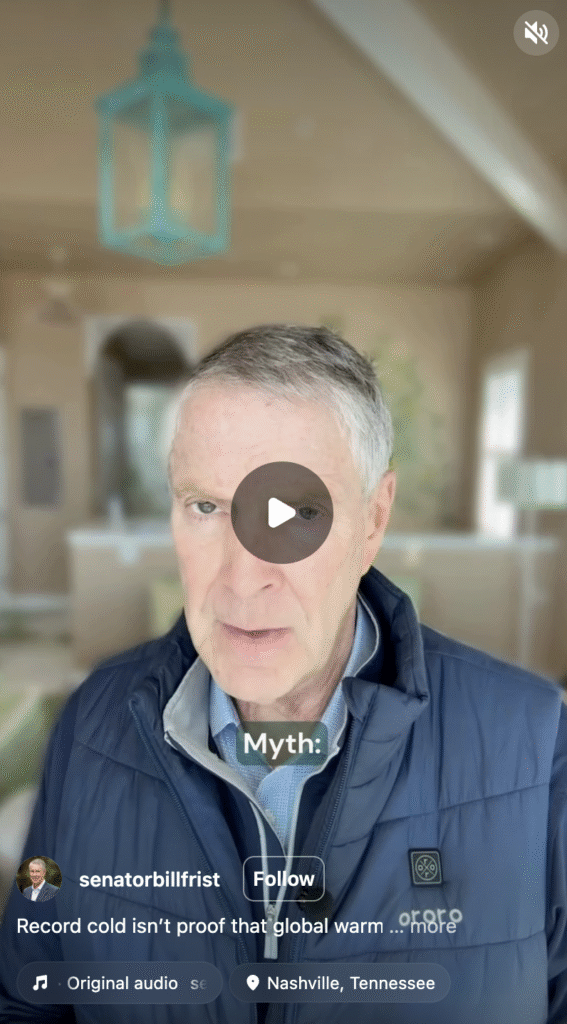
This doesn’t mean you should try to predict every falsehood your audience may encounter. But you can think more strategically about the common misperceptions that permeate your particular industry and that prevent your audience from connecting with your content. You can pre-bunk those misperceptions with a few strategically placed messages on your website, in a report, or integrated into other content you’re already creating. Or you can create a simple pre-bunking campaign, like Senator Bill Frist’s Myth Diagnosis, which tackles common climate misperceptions head on and shares the truth with clear, short, engaging videos.
Rethink your sustainability messengers.
Misinformation spreads most easily among people who share the same identities. The same political beliefs, for instance. The same religious affiliations. Or the same cultural values. In fact the 2026 Edelman Trust Barometer showed that a full 70% of respondents were hesitant or unwilling to trust someone different than them. This helps explain why so many messages from CEOs and climate scientists aren’t landing with most audiences.
We can spread accurate climate information by better understanding who the people we’re talking to are most likely to believe. For instance, rather than always using a messenger from the C suite, try featuring an employee doing the actual work to help tell your story. Instead of quoting a scientific expert, quote a member of the community who has directly benefitted from your work. While your facts and messages remain the same, your choice of messenger can completely change your audience’s reaction.
Go where the disinformation goes.
Disinformation spreads fastest across channels that feel personal, not institutional. That’s why social media platforms are such super spreaders. Simple social posts—typically emotional and story driven—get liked, reposted, and forwarded to friends.
On the other hand, corporate sustainability communication that’s factual and transparent isn’t exactly going viral, partly because it’s not showing up in the right places. Of course you’d never use the same tactics that a peddler of disinformation does—you’re not going to ignore data and use emotion to manipulate, and you can’t look past legal and regulatory constraints. But when your content is primarily shared on a corporate website and in lengthy reports, it gets missed by most audiences. And when the content is dense and data-forward, it gets skimmed over at best, or worse, completely ignored.
By prioritizing your social messaging and content creation, and showcasing the real people powering your good work, you can make the truth meaningful, memorable, and shareable. Tillamook County Creamery Association does this by putting sustainability front and center on their social channels—often with a micro-story that illustrates one of their major stewardship commitments.

Information with integrity and desirability.
In just about every way, sustainability communications is the exact opposite of misinformation and disinformation. It’s meticulously measured, documented, and reported. It’s logical and scientific. And … it’s often missing emotion.
While disinformation uses emotion to manipulate people—with tactics like fear, outrage, and blame—good sustainability communications can use emotion to connect with people. Stories help audiences make meaning from all the data. They make sustainability inspirational, desirable, even sexy! When done right, there’s nothing unethical about this type of persuasion. In fact, with all the change we hope to make in our industries and communities, we absolutely need it.
Our Most Recent Insights.
SEE ALL INSIGHTS →
Storytelling
The elephant in the backyard.
Data center development is surging. How we talk about them matters.

Storytelling
Why science needs stories.
By combining data with stories, we make meaning from information.

Strategy
How to talk climate with conservatives.
Many conservatives care deeply about the environment. They just talk about it differently.